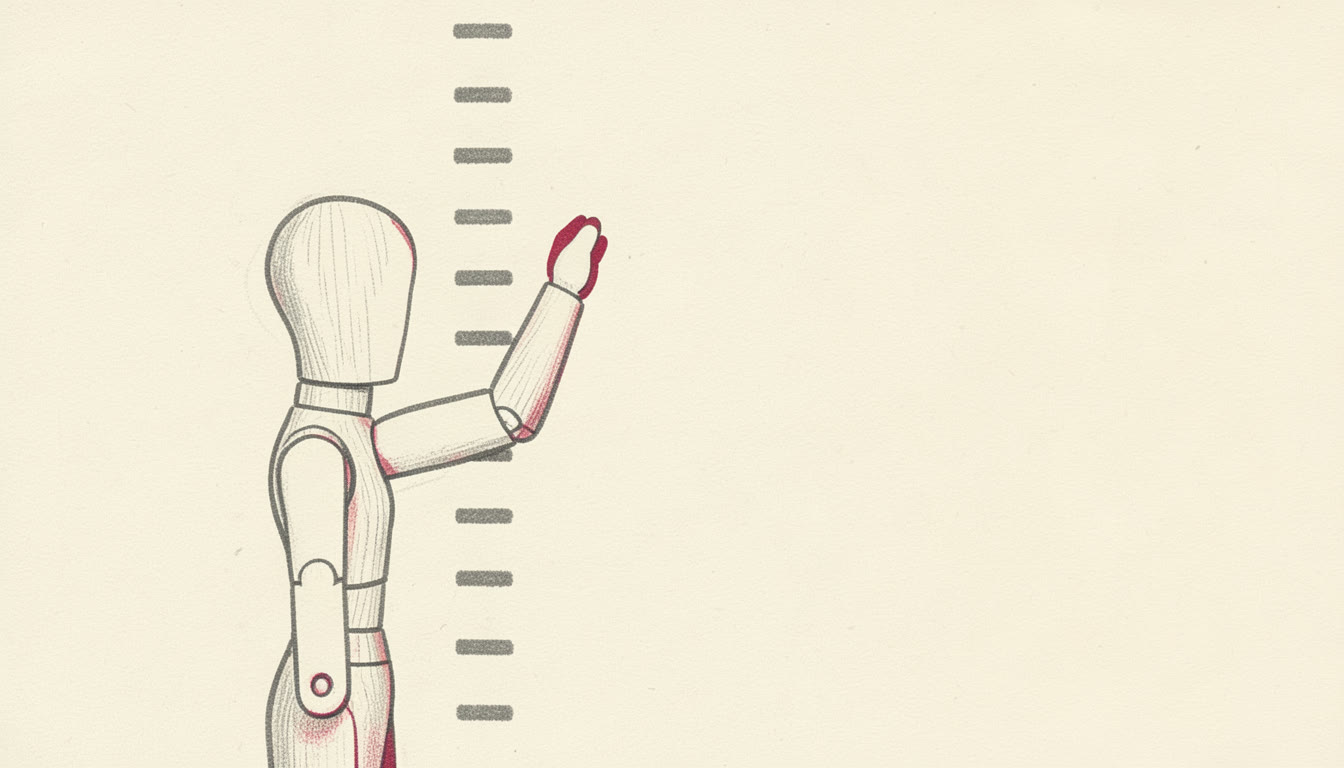
An analysis of 189 randomized trials on frozen shoulder concludes that shock wave therapy probably reduces pain by almost two points more on a scale from 0 to 10 than usual care in the first three months. The comparison was not with a sham treatment, about 70 percent of the trials had a high risk of bias, and for most other treatments and for the period of more than three to six months the evidence is weak.
Evidence level 4 of 5 · Systematic review or meta-analysis
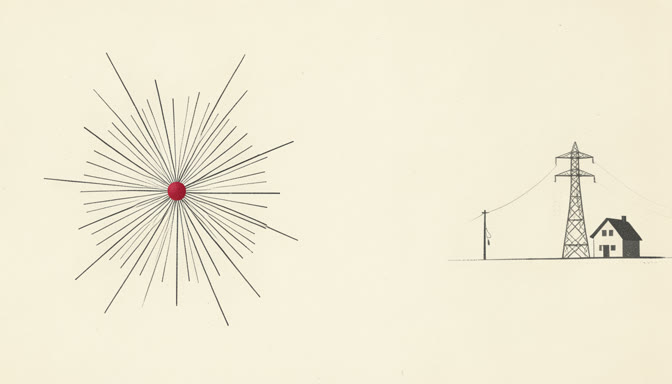
In the lab, a fusion experiment released more energy than the lasers delivered to the target holding the fuel capsule; there is no power plant that supplies electricity, and according to a status report from the environment of the large ITER project, a proven fuel cycle and suitable materials, among other things, are still missing. No date can be derived from this: The years that are mentioned are plans by project operators, not measurement results, and the report comes from fusion research itself.
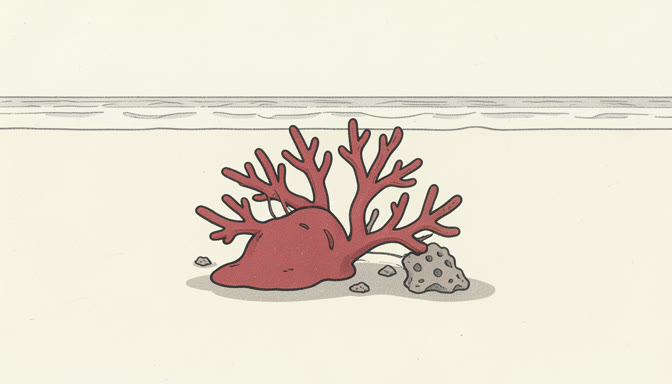
Researchers describe finds from three beaches on the Japanese island of Okinawa in which plastic has melted into fragments of dead coral, and they call them Plasticoral. How the pieces form, how common they are and whether they harm reefs has not been established; only the study's abstract was available for this article.
A 2025 assessment report attributes tipping dynamics with high confidence to the Greenland and West Antarctic ice sheets and to warm-water coral reefs; for the Atlantic overturning circulation the evidence is weaker and disputed, and for the Amazon rainforest it depends on the scale. The report comes from the research community that developed the concept, and its ratings say only whether a system can tip, not whether or when it will.
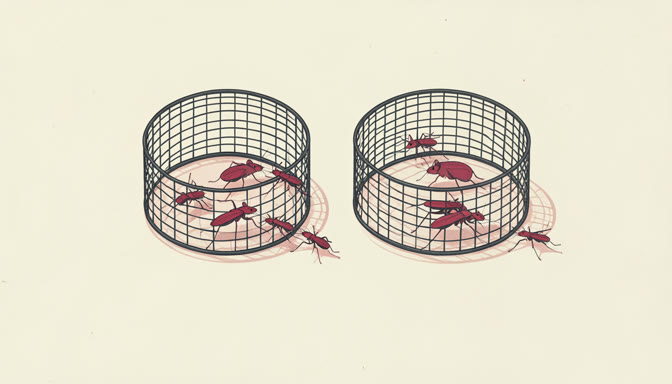
In laboratory experiments in Brazil, hungry kissing bugs stayed near mice infected with the parasite Trypanosoma rangeli more often than near healthy animals; this was not seen with the related agent of Chagas disease. Only laboratory mice were tested, which are not considered natural hosts of the parasite, and the study did not examine which stimulus attracts the bugs.
In a large replication project in the social and behavioral sciences, 151 of 274 published positive findings, or 55.1 percent, showed a significant result in the same direction again when repeated; the measured effects were mostly smaller than in the original. A failed replication does not prove that a finding was false, however; for the share of false studies there are only model calculations and disputed estimates.
Compared with a sham preparation, turmeric supplements relieve knee pain in osteoarthritis by an average of 0.72 points on a scale from 0 to 10, less than the 1.5 points that the authors of a new Cochrane review set as clinically meaningful. The certainty of this evidence is low: the comparison rests on four studies with 349 participants and a duration of three months at most.
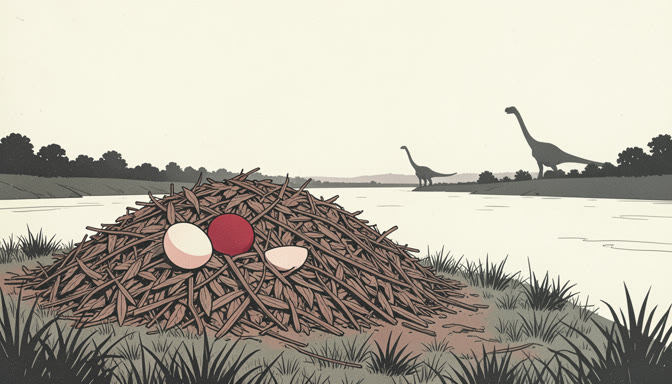
255 eggshell fragments from southern Patagonia come from an area that lay at 55 to 60 degrees south latitude at the end of the Cretaceous, farther from the equator than any other site of eggs attributed to titanosaurs. No whole eggs or nests were found; that rotting plants warmed the clutches is an assumption by the authors and was not measured.
A meta-analysis of 57 field studies puts the mean distance traveled by four mosquito species of the genus Culex at 283 to 1,404 meters. The values depend on how large the trapping area of the studies was and how many mosquitoes were recaptured; they do not indicate a biological range of the species.
In the Greek colony of Himera in Sicily, an isotope analysis of children's bones suggests that breastfeeding ended only at around 3.8 years, while additional food was, in the most likely case, added after just a few months. Only children who died young were examined, and the model estimates are uncertain: for the start of complementary food, the interval ranges from birth to 2.2 years.
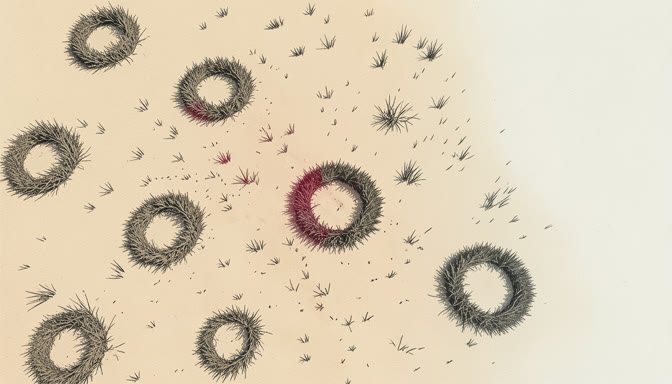
A team from the Chinese Academy of Sciences describes so-called fairy circles in the drylands of northern China – according to a media report, rings of shrubs with a bare center – and explains them with a computer model in which shrubs and grasses compete for resources. The mechanism is a simulation result and has not been observed over time; for this text, only the paper's abstract, the code repository and a media report were evaluated, not the full text.
An international team has found a previously unknown group of large DNA viruses in 85,123 public metagenome datasets. The group is the sister group of the poxviruses and occurs almost exclusively in the digestive tract of vertebrates. Which cells these viruses infect has not been directly demonstrated: there is no culture and no microscope image, and the host assignment is a prediction from gene comparisons.
A meta-analysis from the University of Maryland puts the effectiveness of the flu vaccine against medically attended influenza across 18 US seasons at a pooled 41.3 percent; in 9 of the 18 seasons it fell below the often-cited range of 40 to 60 percent. The data come from observational studies of a single US network and say nothing about protection against hospital admission or death.